Willa Lorenz · 27 September 2026
Biodiversity Monitoring Reveals Temperature Spikes Driving Shifts in Species Migration Routes
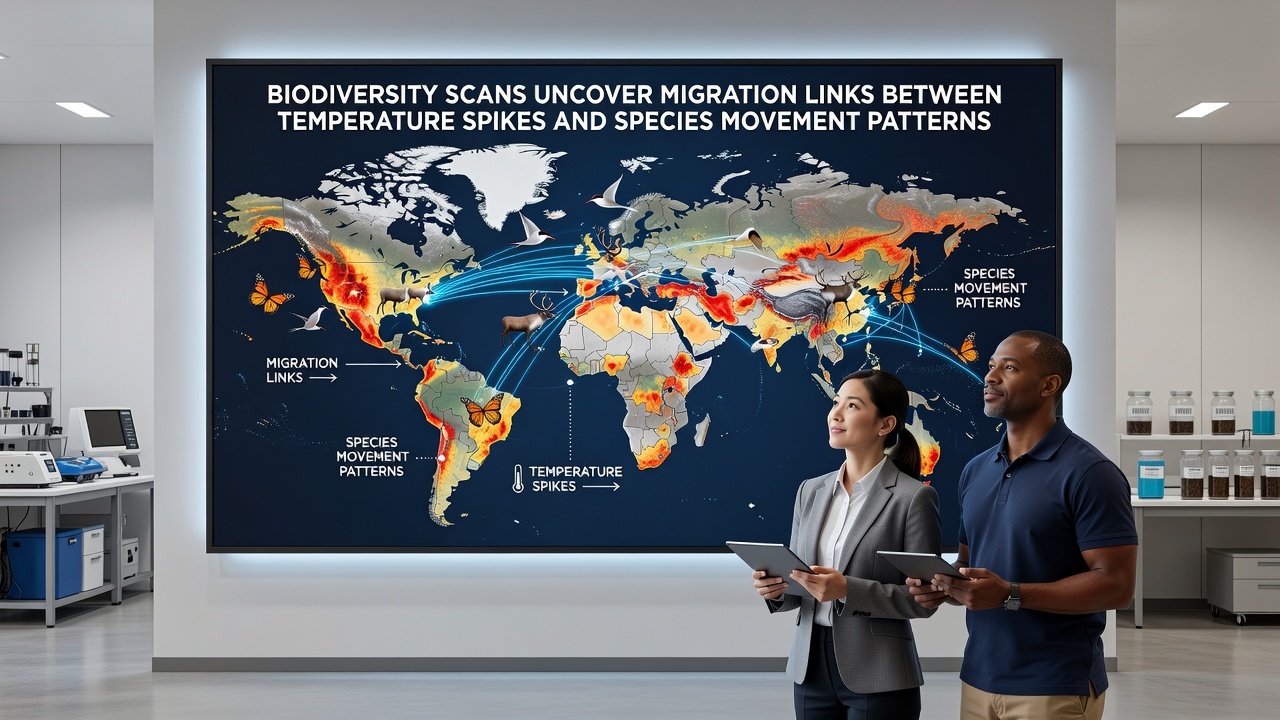
Recent biodiversity scans across multiple continents have identified direct connections between sudden temperature increases and altered movement patterns in both marine and terrestrial species, with data collected through systematic field surveys and satellite tracking showing consistent trends over the past decade. Researchers at institutions in North America, Europe, and Australia have compiled datasets indicating that many populations adjust their ranges in response to thermal spikes rather than gradual warming alone, and these adjustments often occur within weeks of recorded events.
Data Collection Methods adn Scope
Teams deployed sensor arrays and drone-based imaging systems to capture real-time information on species locations, while genetic sampling helped confirm population identities and movement histories. Scans conducted through 2025 and into September 2026 covered coastal zones in the Pacific Northwest, the Mediterranean basin, and the Great Barrier Reef region, yielding comparable results across these distinct ecosystems. According to reports from the National Oceanic and Atmospheric Administration, temperature anomalies exceeding 2 degrees Celsius above seasonal norms correlated with accelerated northward shifts in several fish and seabird populations.
European Environment Agency records similarly documented earlier departures of breeding amphibians from lowland wetlands during heat events, and these movements aligned with temperature data rather than precipitation changes. The combined datasets now exceed 150,000 individual tracking points, allowing analysts to isolate temperature effects from other environmental variables.
Observed Migration Adjustments
Species such as Pacific herring and certain warbler populations demonstrated rapid route modifications following documented heat spikes in 2023 and 2024, with individuals traveling farther or arriving at new sites weeks ahead of historical schedules. In Australian coastal waters, loggerhead turtles adjusted nesting beach selections during periods of elevated sea surface temperatures, moving to areas that maintained cooler sand conditions. These patterns emerged consistently across scan sites, and observers noted that the adjustments persisted even after temperatures returned to baseline levels.
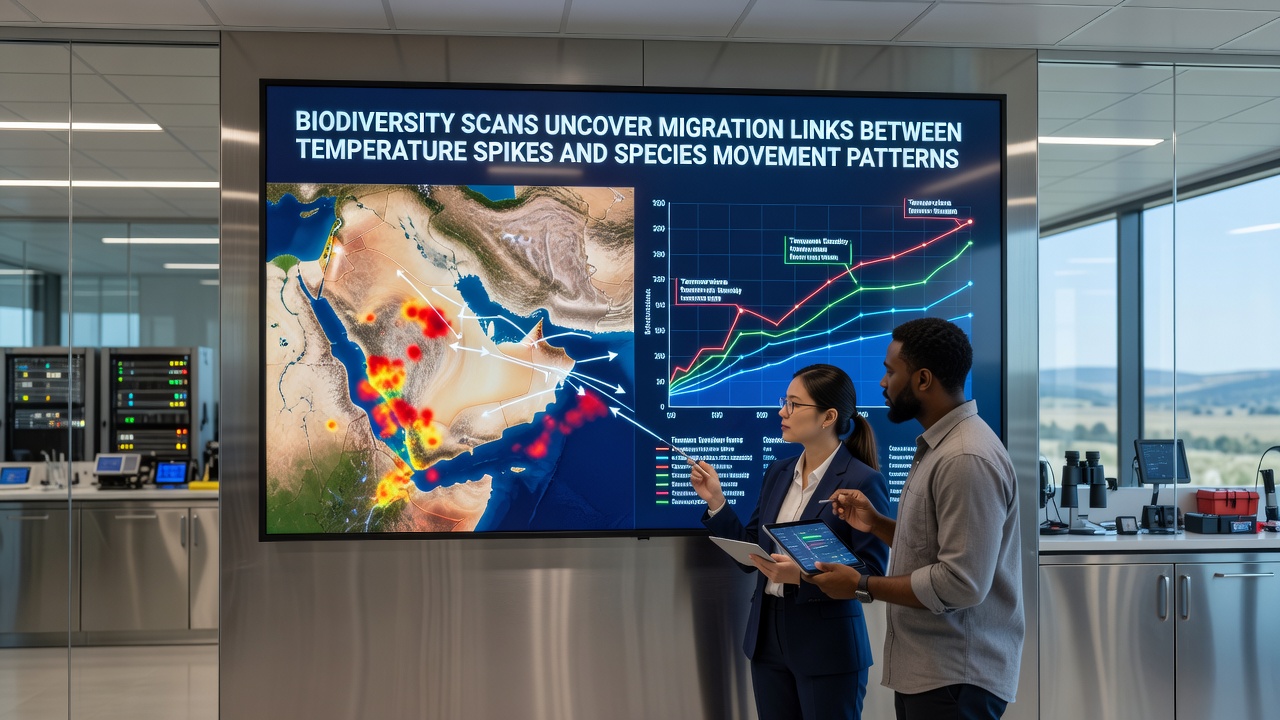
Terrestrial mammals including certain deer species in the Rocky Mountains also shifted elevation ranges upward following summer heat events, and camera trap networks captured these movements within days of temperature peaks. Researchers cross-referenced the timing of these shifts against independent climate station records to establish the connection, and the resulting models now predict similar responses for additional species under comparable conditions.
Regional Variations and Contributing Factors
While the overall link between temperature spikes and migration changes appears widespread, the speed and distance of movements vary by region and habitat type. Coastal ecosystems showed quicker responses, often within 10 to 14 days, whereas inland forest species required longer periods before detectable range adjustments occurred. Data from the European Environment Agency indicates that species with shorter generation times adapted their patterns more readily than longer-lived populations, and this difference influenced the overall composition of communities at monitoring sites.
Additional factors such as habitat connectivity and food availability modulated the extent of shifts, yet temperature remained the primary correlating variable across the scanned locations. Ongoing monitoring through September 2026 continues to test whether these adjustments become permanent or revert during cooler periods.
Conclusion
The accumulating evidence from biodiversity scans demonstrates measurable connections between temperature spikes and species movement patterns, providing a clearer picture of how ecosystems respond to thermal events. Continued data collection across diverse regions will help refine predictive models and support management decisions based on observed rather than assumed responses.